
Buying a home is an exciting milestone, but understanding the financial requirements is crucial to turning that dream into reality. One key factor lenders consider is your credit score, which reflects your creditworthiness and impacts the type of mortgage you can secure. Knowing the credit score needed to buy a house helps set realistic expectations and prepares you for the home loan process. While there isn’t a universal credit score requirement, different loan types have varying criteria, and your score will influence the interest rates and loan terms you’re offered. Here’s an in-depth look at what credit score you’ll need, how it affects your loan options, and how to strengthen your financial profile for homeownership.
Understanding the Basics of Credit Scores
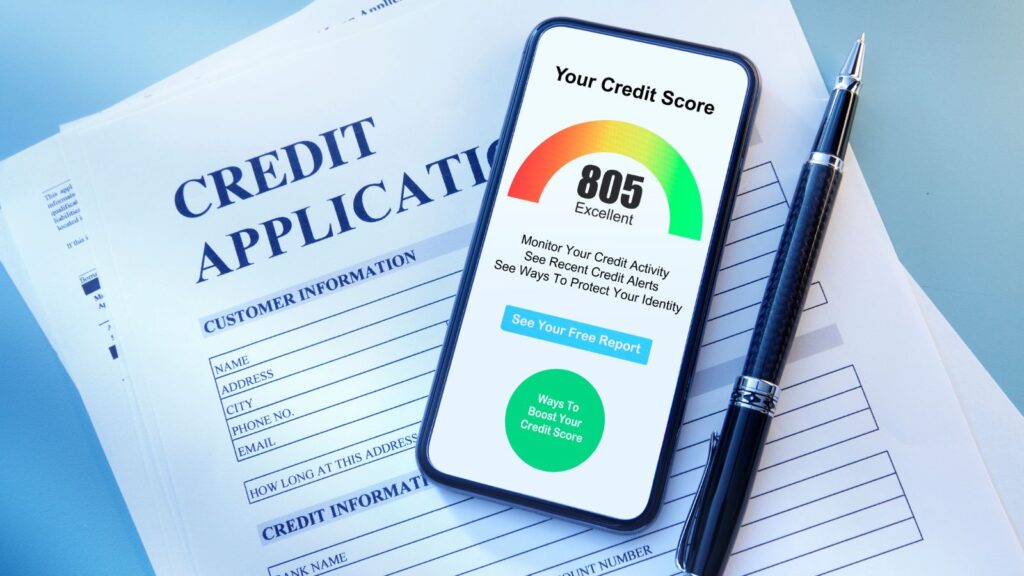
Credit scores are numerical representations of your creditworthiness, typically ranging from 300 to 850. The higher the score, the better you appear to lenders. Scores are determined by evaluating multiple factors: payment history, credit utilization, duration of credit history, types of credit, and recent inquiries. Payment history holds the most weight, emphasizing the importance of paying bills on time. Credit utilization, or the amount of credit you use compared to your total available credit, also significantly impacts your score. A lower utilization rate signals responsible credit management.
Lenders use credit scores to evaluate how likely you are to repay a loan. Higher scores often lead to better loan terms, including lower interest rates and fewer fees. On the other hand, lower scores may result in higher rates or limited loan options. Understanding how your score is determined empowers you to take strategic steps to improve it. By maintaining a positive payment history, reducing outstanding debt, and avoiding unnecessary credit inquiries, you can build a stronger credit profile, making homeownership more attainable.
Minimum Credit Scores for Different Loan Types
Different mortgage programs have distinct credit score requirements. Conventional loans, which government agencies do not back, typically require a minimum credit score of 620. These loans offer flexibility but often demand stronger credit and higher down payments. For buyers with lower scores, government-backed loans can be more accessible.
FHA loans, insured by the Federal Housing Administration, are popular among first-time buyers and require a minimum credit score of 580 with a 3.5% down payment. However, applicants with scores between 500 and 579 may still qualify if they can provide a 10% down payment. VA loans, available to eligible veterans, active-duty service members, and certain military spouses, usually require a minimum score of 620, though some lenders may approve lower scores. USDA loans, designed for rural homebuyers, often require a minimum score of 640.
While these minimums provide a starting point, lenders may impose additional requirements based on financial history and loan terms. Meeting or exceeding the minimum credit score for your desired loan type increases the likelihood of approval and better terms, setting you on a clearer path to purchasing your home.
How Credit Scores Impact Interest Rates
Your credit score doesn’t just affect loan approval—it also influences the interest rate you’re offered. Higher credit scores generally secure lower interest rates, which can lead to significant savings over the life of a mortgage. Even a small rate difference can result in thousands of dollars saved. For example, a buyer with a credit score of 760 might qualify for a 5% interest rate, while a score of 620 could lead to a rate closer to 6.5%.
Interest rates are tied to the perceived risk a lender takes when approving a loan. A high credit score indicates reliable financial behavior, such as timely bill payments and responsible credit usage, reassuring lenders. Lower scores suggest higher risk, leading lenders to compensate with higher rates. It’s essential to understand that other factors, such as market conditions, loan type, and term length, also influence rates.
To improve your chances of securing a better rate, focus on strengthening your credit profile. Paying down debt, maintaining low credit utilization, and correcting any errors on your credit report can enhance your score. The better your credit, the more favorable the loan terms—and the less you’ll pay in interest over time.
How to Improve Your Credit Score Before Buying
Improving your credit score is one of the most effective ways to secure better mortgage options. Start by reviewing your credit report for accuracy. Errors, such as incorrect account details or outdated information, can unfairly lower your score. Dispute any inaccuracies promptly with the credit bureau.
Next, focus on reducing debt, especially revolving credit balances. Aim to keep your credit utilization below 30% and ideally closer to 10%. Paying off high-interest debts first can make a significant impact. Consistently paying bills on time is crucial, as payment history is the most influential factor in your credit score.
Avoid opening new credit accounts shortly before applying for a mortgage, as hard inquiries can temporarily lower your score. Similarly, don’t close old accounts, as longer credit histories strengthen your score. Setting up automatic payments and reminders can help ensure timely bill payments. Over several months, these strategies can lead to a noticeable score improvement, positioning you for better mortgage rates and terms when it’s time to apply.
The Role of Down Payments and Credit Scores
Your down payment amount can affect how your credit score influences loan approval and terms. A larger down payment can offset a lower credit score by reducing lender risk. For instance, a buyer with a lower score who offers a substantial down payment may still secure favorable loan terms. Conversely, a higher credit score paired with a lower down payment can still result in good terms, but lenders may require private mortgage insurance (PMI) for down payments under 20%.
Saving for a larger down payment not only strengthens your mortgage application but also reduces your loan amount, leading to lower monthly payments and interest over time. Additionally, it can open the door to more competitive loan programs and potentially eliminate PMI requirements sooner.
Understanding how your down payment and credit score interact empowers you to prepare financially. By improving your score and saving diligently, you can enhance your loan options and build a stronger financial foundation for homeownership.
Why Pre-Approval Matters for Buyers
Securing mortgage pre-approval is a critical step in the home-buying process. Pre-approval provides a clear picture of how much you can borrow and what loan terms you can expect based on your credit profile. Lenders assess your credit score, income, employment history, and debt levels to determine pre-approval status.
A strong credit score makes pre-approval smoother and increases the likelihood of favorable terms. Pre-approval also strengthens your position with sellers, signaling that you’re a serious buyer with financing already in place. It helps streamline the home search by providing a realistic budget, reducing the risk of falling in love with homes outside your price range.
If your credit score isn’t where it needs to be, use pre-approval as an opportunity to identify areas for improvement. Lenders may offer insights on how to boost your score before final loan approval. Taking the time to secure pre-approval ensures you’re financially ready and helps avoid surprises later in the process.
Common Credit Challenges and How to Overcome Them
Many buyers face credit challenges, but addressing them early can pave the way for mortgage approval. One common issue is a thin credit file, where limited credit history makes it difficult to assess creditworthiness. Building credit through secured credit cards or small loans and making consistent payments helps establish a reliable profile.
Another challenge is high debt levels, which can inflate credit utilization and lower scores. Developing a debt repayment plan—starting with high-interest debts—reduces financial strain and improves your score. Late payments are another major concern. Setting up reminders or automatic payments ensures consistency, gradually strengthening payment history.
For those with past delinquencies or collections, settling accounts and requesting the removal of negative items from credit reports can provide long-term benefits. Overcoming credit challenges requires patience and strategic planning, but the rewards include improved loan options and greater financial confidence during the home-buying journey.
Monitoring Your Credit for Long-Term Success
Even after securing a mortgage, monitoring your credit remains important. Regularly reviewing credit reports helps identify errors or signs of identity theft early, protecting your financial standing. Many services offer free credit monitoring, alerting you to significant changes or new inquiries.
Keeping credit utilization low, paying bills on time, and avoiding unnecessary debt continues to build credit strength. As your score improves, you may qualify for refinancing options with better rates, reducing long-term mortgage costs. Monitoring also helps you stay prepared for future financial goals, whether purchasing another home, investing, or consolidating debt.
Long-term credit health is about consistency and awareness. By adopting good habits and staying informed, you’ll maintain financial flexibility and confidence in managing your mortgage and other financial responsibilities.
Start Your Journey to Homeownership
Understanding how credit scores affect the home-buying process is key to securing the best loan terms and achieving homeownership. If you’re ready to explore your options and take the next step, reach out today. Together, we’ll review your financial profile and discuss the mortgage solutions that align with your goals. Your path to owning a home starts with the right information and support—let’s make it happen.